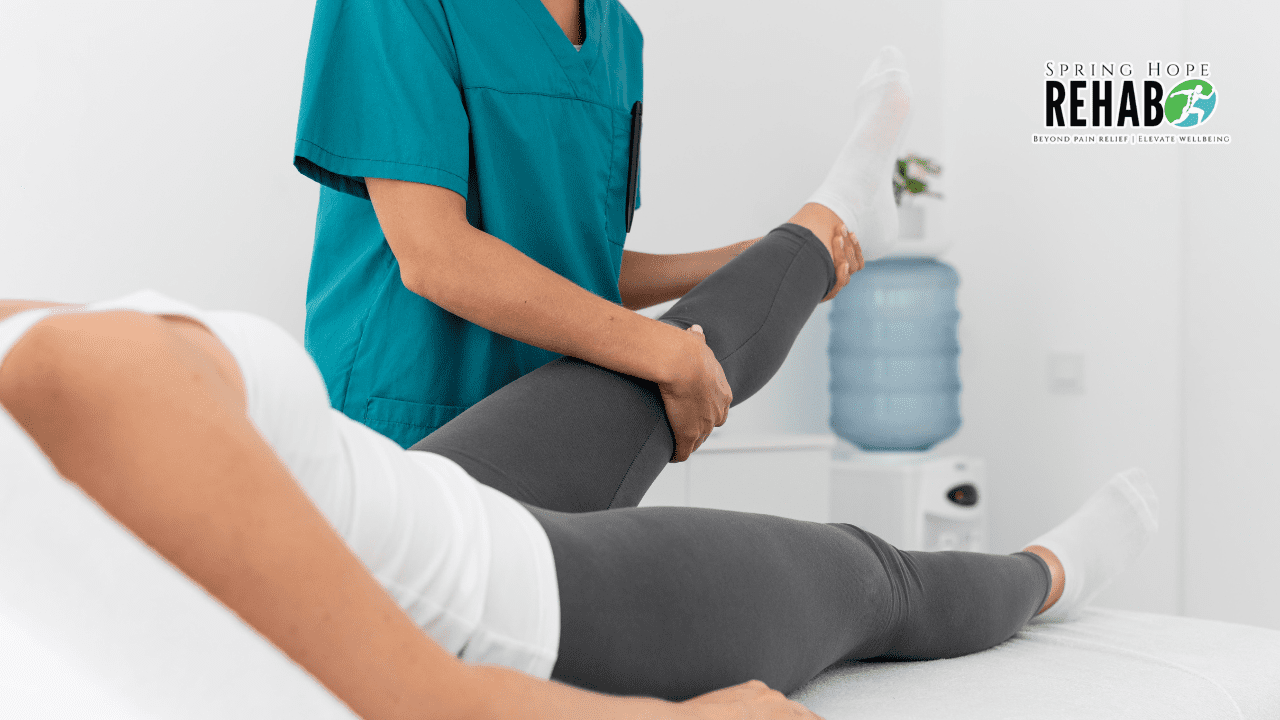
In a healthcare landscape as robust as Singapore’s, patients have access to a wide range of services to manage pain, recover from injuries, and improve physical function. However, as the demand for these services grows alongside an ageing population, it is vital for individuals to ensure that the professionals they trust with their physical well-being are appropriately qualified and legally permitted to practice.
Choosing a healthcare provider is a significant decision. For those seeking physiotherapy, verifying the legitimacy of a practitioner is not just about checking a diploma on a wall; it is about ensuring the professional is part of a regulated system designed to protect patient safety.
Understanding the Legal Requirements for Practice
In Singapore, “Physiotherapist” and “Physical Therapist” are protected titles. This means that not just anyone can use these terms to describe their services. Under the Allied Health Professions Act 2011, physiotherapy is a regulated profession.
For a practitioner to legally provide physiotherapy services in Singapore, they must be registered with the Allied Health Professions Council (AHPC). This statutory board was established specifically to govern the conduct and professional standards of allied health professionals, including occupational therapists and speech therapists. Registration is a mandatory requirement, ensuring that every practicing physiotherapist has met the necessary educational and clinical benchmarks.
The AHPC Public Register: Your Primary Verification Tool
The most direct and reliable way for a patient to verify a physiotherapist’s legitimacy is by consulting the AHPC Public Register. The council maintains these registers to provide transparency and allow the public to search for registered professionals.
When a professional is registered, they are typically assigned a registration number. For example, a registered professional’s credentials might include a unique AHPC registration code alongside their academic qualifications.
When using the public register to check a practitioner, patients should look for:
- Full Name: The name of the practitioner should match their official identification.
- Registration Status: The register will indicate if the professional is currently allowed to practice.
- Registration Number: This unique identifier confirms their place on the national register.
What Defines a Qualified Physiotherapist?
A legitimate physiotherapist is more than just a fitness or wellness provider. They are trained professionals who follow a specific clinical process to ensure patient safety and effective recovery. According to the Singapore Physiotherapy Association (SPA), a qualified professional is trained to:
- Perform a comprehensive assessment of the client’s physical needs.
- Formulate a clinical diagnosis and set appropriate treatment goals.
- Implement specific physical therapy interventions and use outcome measures to evaluate progress.
- Refer patients to other medical professionals when their needs fall outside the scope of physiotherapy.
These professionals work across a broad spectrum of care, from treating “slipped discs” and chronic low-back pain to rehabilitating patients after heart bypass surgery or a stroke. Because their work involves high-risk clinical decisions, the Ministry of Health (MOH) and the AHPC maintain strict oversight of their entry qualifications and ethical conduct.
Checking the Facility and Service
Verification should extend beyond the individual practitioner to the facility where the care is being provided. The Ministry of Health (MOH) licenses healthcare services in Singapore, including hospitals, medical clinics, and nursing homes, under the Healthcare Services Act (HCSA).
Patients are encouraged to ensure that the service they are visiting is licensed by the MOH. A legitimate clinic will typically be transparent about its registration with national bodies and its adherence to the standards set by the AHPC. If a service provider offers “quick fixes” or deals that seem too good to be true, these can be red flags for poorly manufactured products or services provided by unqualified personnel.
Why Professional Regulation Matters for Patients
The regulation of the physiotherapy profession is built on several pillars that directly benefit the patient:
- Standards of Practice: Ensures that practitioners meet entry-level standards and maintain their proficiency through continuing professional development.
- Ethical Conduct: Professionals must adhere to a code of ethics, ensuring they act in the patient’s best interest.
- Accountability: The AHPC has mechanisms to address non-compliance and manage complaints from the public.
- Public Trust: By restricting the use of the title to those who are duly educated, the system fosters confidence in the healthcare system.
If a patient faces unethical trade practices or aggressive sales tactics—even from a legitimate provider—they can contact the Consumers Association of Singapore (CASE). For more serious concerns involving fraud or impersonation, the Singapore Police Force may take action under the Penal Code.
Practical Steps for Patients
To ensure safe and professional care, patients in Singapore should follow these proactive steps:
- Ask for the Registration Number: Do not hesitate to ask a practitioner for their AHPC registration number during an initial consultation.
- Search the Official Register: Use the AHPC website to verify the practitioner’s name and status.
- Verify the Clinic’s License: Check if the facility is a licensed healthcare service under the MOH.
- Consult Your Doctor: If there is any doubt about a provider or a specific treatment, discussing it with a registered medical doctor can provide an additional layer of safety.
Key Takeaways
- Mandatory Registration: It is illegal to practice as a physiotherapist in Singapore without AHPC registration.
- Public Access: The AHPC provides a searchable public register to verify any practitioner’s legitimacy.
- Protected Titles: Only those on the register may call themselves a “Physiotherapist” or “Physical Therapist”.
- Clinical Standards: Legitimate professionals provide assessments, diagnoses, and evidence-based interventions.
- Facility Licensing: Ensure the clinic or hospital is licensed by the Ministry of Health.
Conclusion
Taking the time to verify a physiotherapist’s credentials is an essential part of being an informed patient in Singapore. The regulatory framework provided by the AHPC and the Ministry of Health exists to ensure that healthcare remains safe, ethical, and of the highest quality. By using the tools available—such as the public register—patients can move forward with their rehabilitation journey with confidence, knowing they are in the hands of a qualified professional.
The information provided in this article is for general educational purposes only and does not constitute medical advice. If you have concerns about a specific health condition or the qualifications of a healthcare provider, please consult a registered medical doctor or contact the Allied Health Professions Council directly.