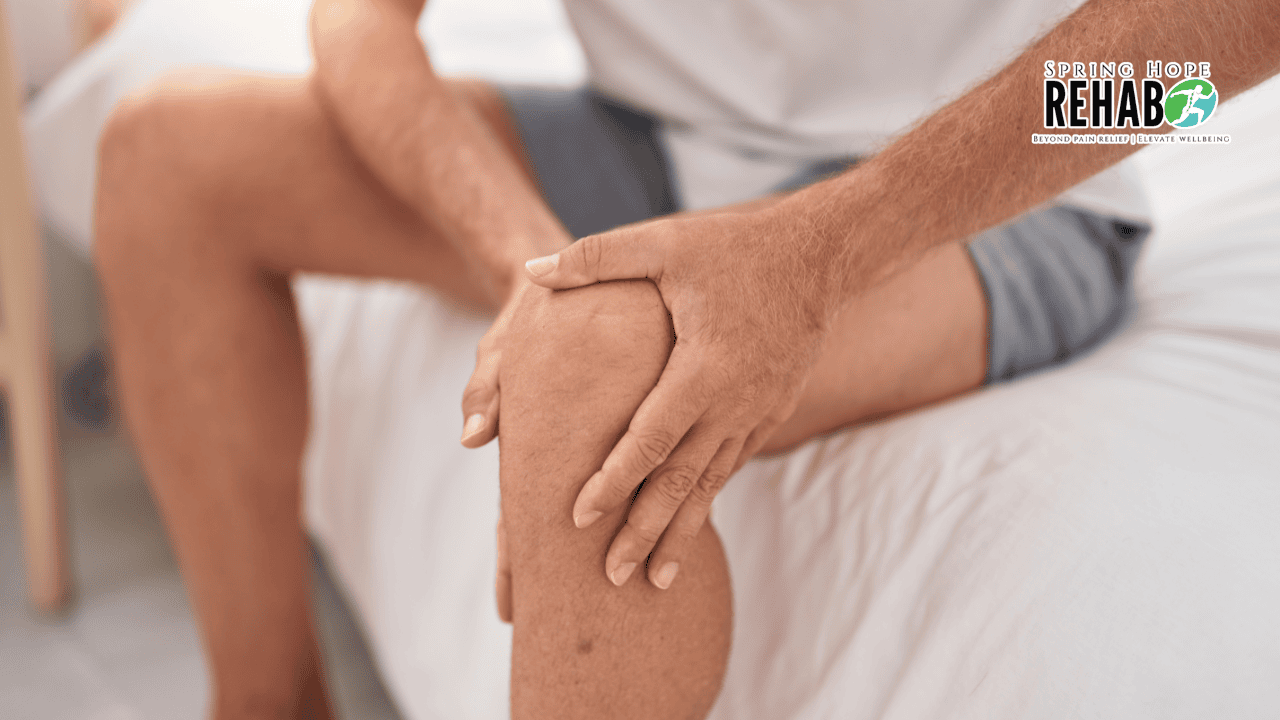
Knee pain is a nearly universal experience, particularly within an ageing society like Singapore where musculoskeletal issues are the most common age-related complaints. Whether it is a sharp twinge when climbing stairs or a dull ache that lingers after a morning walk, knee discomfort can significantly limit a person’s lifestyle and independence. The knee is the largest joint in the body, acting as a complex hinge that connects the thigh bone to the shin bone, supported by a network of ligaments, tendons, and shock-absorbing cartilage known as the menisci.
Because this joint bears the bulk of the body’s weight, it is susceptible to both acute injuries and chronic degeneration. While many people initially turn to temporary fixes like painkillers, professional physiotherapy offers a structured, evidence-based pathway to address the underlying causes of pain and restore long-term function.
Understanding the Common Causes of Knee Pain
Knee issues generally fall into two categories: traumatic injuries and degenerative conditions. For younger athletes and active adults, injuries often involve the Anterior Cruciate Ligament (ACL), which provides essential stability during twisting or pivoting movements. A “pop” or “snap” heard at the time of injury often signals a significant ligamentous tear.
In middle-aged and older adults, Osteoarthritis (OA) is the primary culprit, affecting nearly 40% of adults. This condition involves the progressive wear and tear of the protective cartilage between the bones, leading to inflammation, stiffness, and reduced range of motion. Other common conditions include:
- Meniscal Tears: Damage to the C-shaped cartilage that cushions the joint, often causing the knee to feel “locked”.
- Patellofemoral Stress (Runner’s Knee): A dull ache around the front of the kneecap, frequently aggravated by squatting or using stairs.
- Bursitis: Inflammation of the fluid-filled sacs that help the knee move smoothly, sometimes caused by repeated kneeling.
- Gout: Painful inflammation caused by crystal deposits within the joint, often linked to genetics, obesity, or diet.
The Evidence for Physiotherapy vs. Surgery
One of the most significant shifts in modern orthopaedics is the move toward “conservative-first” treatment. Research published in peer-reviewed platforms indicates that for many common conditions, such as non-obstructive meniscal tears in middle-aged patients, exercise-based physiotherapy is just as effective as arthroscopic surgery. Clinical trials have shown that patients undergoing a structured physiotherapy protocol—focused on coordination and strengthening—achieve functional outcomes similar to those who choose surgery, often with fewer adverse events.
Similarly, for ACL injuries, the decision to operate is no longer automatic. National guidelines from peak physiotherapy bodies suggest that the choice between early reconstruction and non-operative management should be a collaborative decision between the patient, their surgeon, and their Physiotherapy Clinic. Many patients can successfully return to activity by following a high-quality rehabilitation programme that restores muscle control and joint stability without surgical intervention.
How Professional Physiotherapy Manages Pain
A qualified physiotherapist does not just treat the symptom; they conduct a comprehensive assessment to identify the biomechanical root of the problem. This diagnostic process may involve evaluating gait, muscle balance, and joint flexibility.
Multimodal Active Treatment
Effective management often involves a combination of techniques tailored to the individual’s specific condition. This may include:
- Supervised Exercise Therapy: This is considered the “gold standard” for managing knee osteoarthritis. By strengthening the quadriceps and hamstrings, the muscles are better able to absorb the forces that would otherwise stress the joint.
- Manual Therapy: Hands-on techniques to mobilise joints and soft tissues, helping to reduce stiffness and improve flexibility.
- Electrotherapy and Ultrasound: These can be useful for easing pain and stimulating muscle groups in patients who may not yet be ready for high-intensity exercise.
- Education and Lifestyle Modification: Understanding how to manage activity levels and “work out” stiffness without causing further damage is crucial for long-term success.
When to Seek Urgent Medical Advice
While many knee issues can be managed with rest and gradual exercise, certain symptoms require immediate professional evaluation to rule out severe injury or infection. You should consult a doctor or a registered physiotherapist if you experience:
- Inability to bear weight on the leg or a knee that feels like it will “give way”.
- Obvious deformity or severe swelling that appears suddenly.
- A mechanically “locked” knee that cannot be straightened.
- Fever accompanied by redness, heat, and swelling in the joint.
- Pain that persists for more than six weeks or worsens despite rest.
Prevention and Long-Term Joint Health
Maintaining healthy knees is often a matter of managing the daily stresses placed upon them. Weight management is perhaps the most critical factor; every extra kilogram adds significant pressure to the joint during movement. Experts estimate that as you take a step, your knees handle two to four times your body weight in pressure.
Other preventative measures include:
- Gradual Progression: When starting a new fitness regime, always increase the intensity of workouts slowly to allow the joint and surrounding tissues to adapt.
- Proper Footwear: Wearing supportive, professionally fitted shoes can ensure better alignment and reduce uneven stress on the knee.
- Posture and Ergonomics: Maintaining good posture and using ergonomic furniture helps balance the body and prevents unnecessary strain on the lower limbs.
- Cross-Training: For those prone to pain, switching to lower-impact activities like swimming can reduce joint stress while maintaining cardiovascular fitness.
Key Takeaways
- Physiotherapy is a primary treatment: For conditions like osteoarthritis and non-obstructive meniscal tears, physiotherapy is often as effective as surgery.
- Assessment is vital: A professional assessment identifies the root cause, whether it is muscle imbalance, wear and tear, or an acute tear.
- Strength is stability: Strengthening the muscles around the thigh and hip is essential for protecting the knee joint.
- Don’t ignore the signs: Chronic pain that interferes with daily life should be evaluated early to prevent further degeneration.
- Lifestyle matters: Weight management and proper footwear are simple but highly effective ways to reduce knee stress.
Conclusion
Managing knee pain is not just about finding temporary relief; it is about building a more resilient body. While the ageing process and physical activity naturally place demands on our joints, modern physiotherapy provides the tools to manage these challenges effectively. By prioritising evidence-based exercise, seeking early professional guidance, and making informed lifestyle choices, most people can find significant ease for their “old knees” and continue doing the things they love.
Disclaimer: The information provided in this post is for general educational purposes only and does not constitute medical advice. Please consult a qualified healthcare professional or a registered physiotherapist for an assessment of your individual condition.