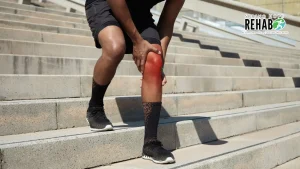
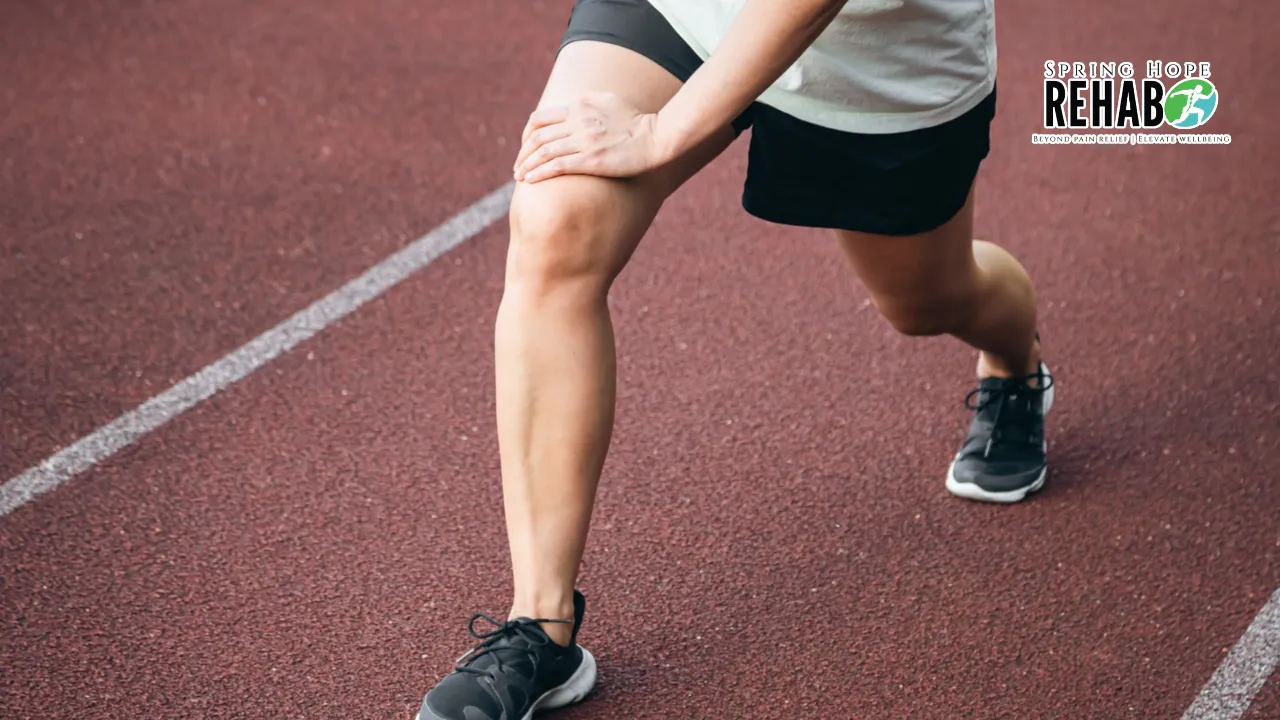
For a lot of runners, the first sign of trouble is not dramatic. It is a dull ache at the front of the knee, around or behind the kneecap, that shows up partway through a run, grumbles on the stairs afterwards, and settles with rest, only to return next time. This is the classic picture of what is often called runner’s knee, and it is one of the most common complaints among people who run.
The instinct, when a knee starts to hurt, is often to stop running altogether. But for this particular problem, complete rest is usually not the answer. With the right understanding and some sensible adjustments, many runners can keep training while the knee settles. Here is a look at why the front of the knee aches, and how to work through it rather than shelve the running shoes.
What Runner’s Knee Actually Is
Runner’s knee is the everyday name for patellofemoral pain syndrome, sometimes called anterior knee pain. An expert-reviewed physiotherapy knowledge base describes it as pain felt at the front of the kneecap, around it, or behind it. It is extremely common, affecting both runners and non-runners across a wide range of ages, and among runners in particular it is one of the most frequent knee complaints.
The pain comes from the joint between the kneecap and the thigh bone, the patellofemoral joint. Anything that loads this joint while the knee is bent tends to provoke it. The same knowledge base lists the usual culprits: running, climbing stairs, squatting, and sitting for long periods with the knee bent. There may also be some grating or a little swelling. The contributing factors are varied, and often include weak or poorly coordinated thigh and hip muscles, the way the kneecap tracks, leg and foot alignment, and simply training load and overuse.
Why Stopping Completely Is Usually the Wrong Move
Here is the part that surprises many runners. For runner’s knee, complete rest is generally not the recommended approach. An expert-reviewed physiotherapy knowledge base is clear on this: rather than stopping all activity, the guidance is to avoid the specific activities that aggravate the knee while keeping overall activity and fitness up.
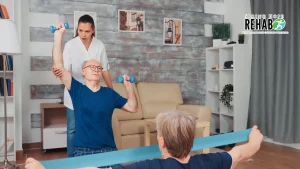
The reason is that much of what drives this condition, such as weakness and poor coordination in the muscles that support the knee, does not improve with rest. It improves with the right kind of loading. The same evidence base describes exercise therapy, particularly strengthening of the hip and thigh muscles, as effective for both short-term and long-term pain relief, and emphasises that this strengthening should continue over the longer term. In other words, the knee generally needs managed work, not a long spell of doing nothing.
How to Train Through It
Training through runner’s knee is really about managing load intelligently rather than pushing through pain. The broad principles, drawn from physiotherapy guidance, look like this:
- Easing off the activities that most provoke the pain for a while, rather than stopping running entirely, so overall fitness is maintained
- Reducing running volume or intensity temporarily instead of training straight through a painful knee
- Keeping the rest of the body active and fit while the knee is managed
- Building strength in the supporting muscles of the hip and thigh over time, which addresses one of the common underlying contributors
- Returning to full running gradually, guided by how the knee responds rather than by a fixed schedule
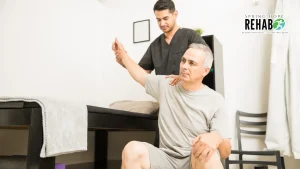
It is worth stressing that the specifics, how much to reduce, what to strengthen, and how to progress, are best set with professional guidance. The right programme depends on the individual, which is why physiotherapy is considered central to managing this condition rather than a generic set of exercises anyone should self-prescribe.
When to See a Professional
Mild front-of-knee ache that settles quickly can often be managed with a sensible reduction in load. It is worth seeking an assessment when the pain is persistent, keeps returning with every run, interferes with stairs or daily activities, or is not improving despite easing off. Early attention matters: an expert-reviewed physiotherapy knowledge base notes that some people still have symptoms years after onset, so getting on top of it early is worthwhile. A registered physiotherapist can assess the knee, identify the contributing factors, and guide a safe plan to strengthen and return to running, and for those who would prefer to be seen at home, a home-based Physiotherapy Clinic can bring that assessment directly to the patient. Severe, sudden or persistent knee pain should also be reviewed by a doctor. In Singapore, physiotherapists must be registered with the national allied health regulator in order to practise, so it is worth checking that a practitioner is properly registered before booking.
Key Takeaways
- Runner’s knee, or patellofemoral pain syndrome, is pain at the front, around or behind the kneecap, and it is very common in runners.
- It is provoked by loading the kneecap joint with the knee bent, so running, stairs, squatting and prolonged sitting tend to aggravate it.
- Complete rest is usually not advised; the guidance is to avoid aggravating activities while keeping overall fitness up.
- Strengthening the hip and thigh muscles is an effective, well-evidenced part of management and should continue over the long term.
- Persistent or recurring front-of-knee pain is worth assessing early, as symptoms can otherwise linger for years.
Conclusion
Runner’s knee can be discouraging, but it rarely means hanging up the running shoes for good. The front-of-knee ache is a signal that the kneecap joint is being overloaded and that the supporting muscles may need work, not a sentence of enforced rest. For most runners, the path back runs through smart load management and targeted strengthening rather than complete inactivity. When the pain lingers or keeps returning, a qualified physiotherapist can assess what is driving it and map out a way to keep running while the knee recovers.
The information provided in this post is for general educational purposes only and does not constitute medical advice. Please consult a qualified healthcare professional or a registered physiotherapist for an assessment of your individual condition.