
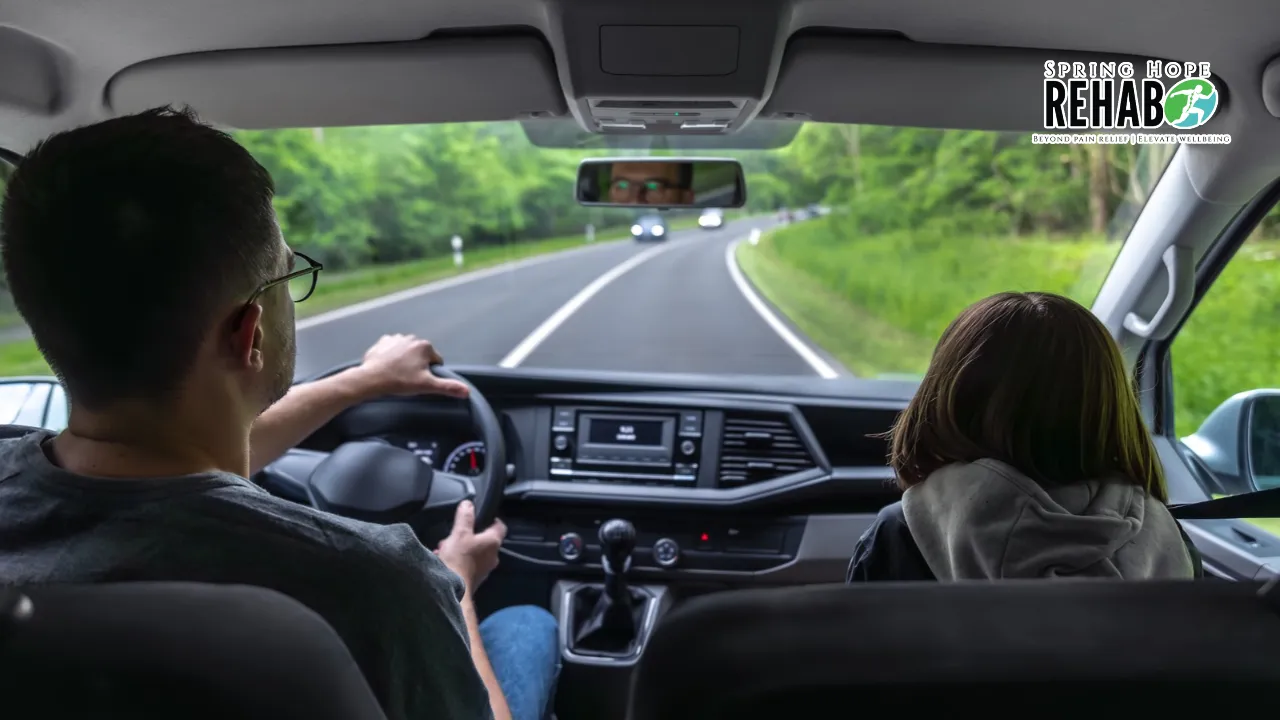
A long drive is one of those situations where the body quietly tenses up without anyone noticing. Hours behind the wheel, especially in heavy traffic or on an unfamiliar road, often end with a familiar set of complaints: aching forearms, stiff wrists, hands that feel tired and claw-like, and a neck and shoulders wound tight. It is easy to blame the seat or the distance, but a surprising amount of the fatigue comes from something simpler, the grip itself.
The good news is that driver’s grip fatigue is largely preventable once its causes are understood. Here is a look at why gripping the wheel tires the forearms and hands, and the small habits that keep a long drive from leaving the arms wrung out.
Why Steering-Wheel Grip Tires the Forearms
The muscles that close the hand and curl the fingers around a steering wheel sit mostly in the forearm, connecting to the hand through long tendons that cross the wrist. Holding a grip means these muscles are working continuously, not in the brief bursts they are built for, but in a sustained, low-level contraction that can last for hours.
Two things make this tiring. The first is that many drivers grip far harder than the task requires, white-knuckling the wheel out of tension or concentration. The second is that the position barely changes: the hands stay fixed, the wrists hold one angle, and the forearm muscles rarely get a moment to relax. A static, sustained hold like this fatigues muscles far more than movement does, which is why the arms can feel more tired after a long drive than after an active day.
This Is a Form of Static Strain
The driver’s grip belongs to the same family of problems as other repetitive and static strains. National physiotherapy guidance on static postures, developed for desk work but applicable here, consistently makes the same points: holding the body in one position for long periods leads to fatigue and discomfort, and the remedies are to change posture frequently, move regularly, and take breaks rather than staying fixed for hours.
Driving adds its own complications. Vibration through the wheel, the need to react and brace in traffic, and the tension that comes with concentration all encourage a tighter, more constant grip. Cold air from the air-conditioning blowing onto the hands and forearms does not help either, as muscles that are cold and tense tire more readily.
The Signs of Driver’s Grip Fatigue
Most drivers recognise these without needing a label:
- Aching, tired forearms during or after a long drive
- Stiff wrists, or hands that feel cramped and slow to open out
- A tight neck and shoulders that rode along with the tense grip
- Tingling in the fingers after a long stint, which usually eases once the hands are moved and relaxed
For the most part this is ordinary fatigue that settles with rest. Tingling or numbness that keeps returning, however, is worth paying attention to, as the wrist and its nerves do not appreciate being held in a fixed, braced position for hours on end.
Easing the Strain on a Long Drive
The theme of every useful habit here is the same: grip more lightly, and break up the stillness. Drawing on the general principles for static strain, a few practical measures help:
- Loosening the grip on the wheel to the minimum needed for safe control, rather than clenching it
- Relaxing the hands and flexing the fingers periodically when it is safe to do so, for instance at a red light
- Taking regular rest stops on long journeys to get out, move around, and let the arms and hands recover
- Shifting hand position on the wheel from time to time so the wrists are not locked at one angle for hours
- Keeping the forearms and hands reasonably warm rather than directly in a cold draught, and keeping the shoulders relaxed rather than hunched
Safety always comes first, so any hand relaxation or movement should happen only when the driving situation genuinely allows. On a long trip, planned breaks are both the safest and the most effective remedy, giving the whole body, not just the hands, a chance to reset.
When to See a Professional
Tired forearms after a marathon drive are normal and settle with rest. It is worth seeking advice when wrist or forearm pain lingers well beyond the journey, keeps returning after regular driving, or comes with persistent tingling or numbness in the fingers. A registered physiotherapist can assess the wrist, hand and forearm and suggest practical adjustments, and for those who would prefer to be seen at home, a home-based Physiotherapy Clinic can bring that assessment directly to the patient. Persistent numbness in particular is worth having reviewed. In Singapore, physiotherapists must be registered with the national allied health regulator in order to practise, so it is worth checking that a practitioner is properly registered before booking.
Key Takeaways
- Gripping a steering wheel keeps the forearm muscles in a sustained, static contraction, which tires them far more than normal movement.
- Many drivers grip harder than necessary, and the fixed position gives the forearms and wrists little chance to relax.
- The same principles that apply to desk-based static strain apply here: grip lightly, change position, and take breaks.
- Easing the grip, relaxing the hands when safe, and stopping regularly on long drives all reduce the fatigue.
- Forearm or wrist pain that lingers after driving, or persistent finger tingling, is worth having assessed.
Conclusion
A long drive does not have to end with aching arms and cramped hands. Much of the fatigue comes down to how tightly the wheel is held and how long the hands stay locked in one place, both of which are easy to change. Gripping a little more lightly, relaxing the hands when the road allows, and building in proper rest stops can transform how the arms feel at the end of a journey. And if forearm or wrist discomfort outlasts the drive or keeps coming back, a qualified physiotherapist or doctor can help work out why.
The information provided in this post is for general educational purposes only and does not constitute medical advice. Please consult a qualified healthcare professional or a registered physiotherapist for an assessment of your individual condition.