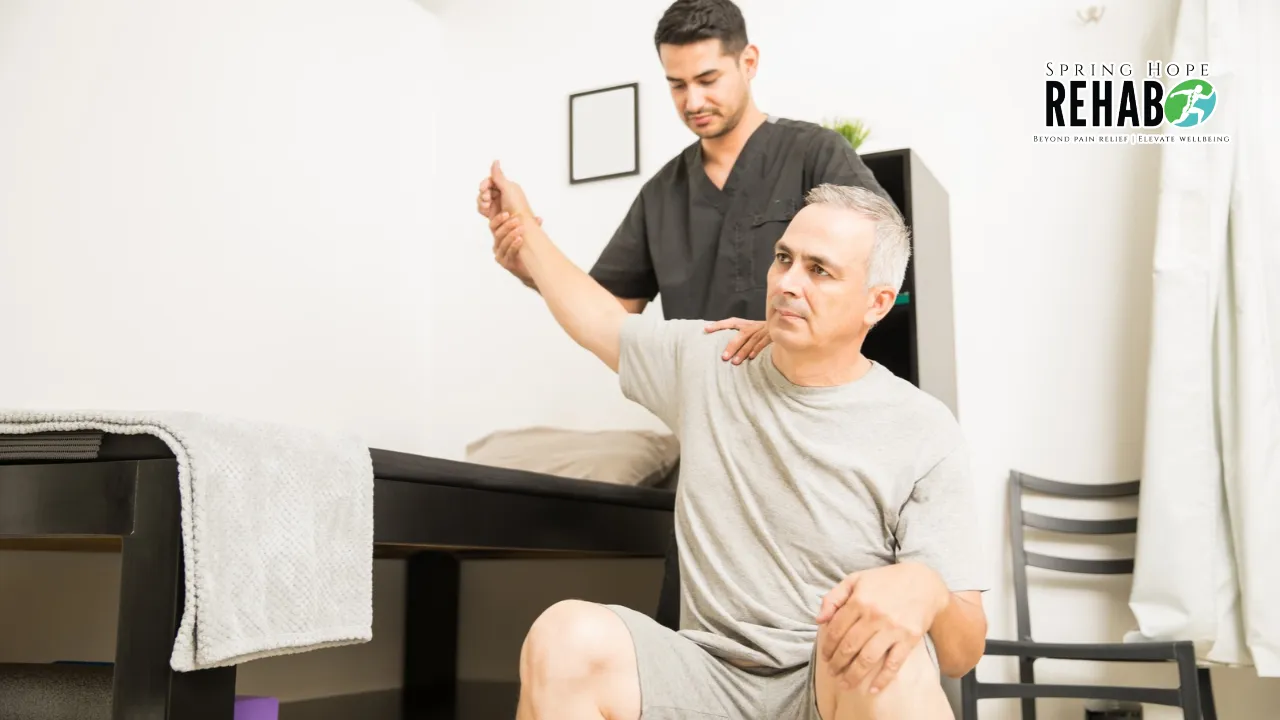
Physiotherapy at home suits some people far more than others. For someone fit and mobile who needs gym-based strengthening, a clinic may be the natural fit. But for a good number of people, the home setting is not merely more convenient, it genuinely serves their recovery better. These tend to be people for whom travel is hard, whose rehabilitation is bound up with their daily environment, or who are simply at a stage of life where getting to a clinic is a real obstacle.
Here is a look at the groups who typically benefit most from being treated in their own space, and why home physiotherapy fits their needs so well.
Seniors
Older adults are perhaps the clearest example. Travel to a clinic can be tiring, painful or simply daunting, and for a frailer person it can be a barrier that quietly prevents treatment from happening at all. Bringing the physiotherapist to them removes that obstacle.
There is also a strong safety case rooted in the home itself. Guidance on falls in older adults notes that most falls happen at home, often in the bedroom and living room, and that environmental hazards such as clutter, slippery floors, loose rugs and poor lighting are common contributors. A physiotherapist working in the home can see those hazards in place and advise on them directly, while also helping an older person maintain the strength, balance and mobility that support independence. That combination of assessing the real environment and building physical capacity is difficult to replicate in a clinic room.
Post-Surgery Patients
Recovery from surgery is often the period when getting to a clinic is hardest, precisely when consistent rehabilitation matters most. In the early weeks after an operation, movement may be limited, painful or restricted by medical advice, and travel can be awkward or exhausting.
Home-based rehabilitation allows that recovery to continue in familiar surroundings, without the added strain of a journey to each appointment. Continuing physiotherapy at home after surgery or a hospital stay is a well-established way to support recovery, and keeping sessions consistent through the early phase can make a demanding process more manageable. For many post-surgical patients, the home is simply where the early, important work of getting moving again is best done.
New Parents
The weeks and months after a baby arrives are physically demanding and logistically chaotic, and leaving the house for an appointment can feel almost impossible. Yet this is a time when many parents, particularly mothers recovering from pregnancy and birth, have genuine physiotherapy needs, from wrist strain and back pain to pelvic and postnatal recovery.
For new parents, home physiotherapy removes a significant barrier: there is no need to arrange care, pack up the baby, or time an outing around feeds and naps. Being seen at home makes it realistic to actually attend to their own recovery during a period when their own health is easily pushed to the bottom of the list. That accessibility can be the difference between getting help and simply soldiering on.
People With Limited Mobility
For anyone whose mobility is restricted, whether by a long-term condition, a disability, an injury or illness, the journey to a clinic can be the single hardest part of getting treatment. When travel itself is the obstacle, bringing the treatment to the person is the obvious answer.
Home physiotherapy also lets the therapist work within the exact environment the person navigates every day: the specific doorways, furniture, steps and surfaces that shape how they move. Assessing and advising in that real setting allows practical, tailored recommendations aimed at the tasks that actually matter to the person, which is often more useful than working in a generic clinic space.
The Common Thread
Across all four groups, two themes recur. The first is access: home physiotherapy removes the travel barrier that might otherwise prevent treatment from happening consistently, and consistency is central to how well rehabilitation works. The second is relevance: being treated in the real environment allows advice and recovery to be grounded in the person’s actual daily life.
None of this means home physiotherapy is only for these groups, or that clinics do not have their place. It simply means that for people who face a barrier to travel or whose recovery is tied to their home, the home setting offers advantages that go well beyond convenience.
Getting Started
Whatever the situation, the professional is what matters most. A registered physiotherapist can advise on whether home treatment suits a particular person, and a home-based Physiotherapy Clinic can bring assessment and treatment directly to those who would benefit from being seen in their own space. In Singapore, physiotherapists must be registered with the national allied health regulator in order to practise, so it is worth checking that a practitioner is properly registered before booking.
Key Takeaways
- Seniors benefit from home physiotherapy through easier access and the chance to address falls hazards and mobility in the actual home.
- Post-surgery patients can continue recovery in familiar surroundings during the early period when travel is hardest and consistency matters most.
- New parents gain from treatment that fits around a baby, making it realistic to attend to their own recovery.
- People with limited mobility benefit when travel is the main barrier, and from advice grounded in the environment they navigate daily.
- The common threads are access and relevance: home treatment supports consistent rehabilitation grounded in real daily life.
Conclusion
Physiotherapy at home is not simply a convenience; for the right people it is a better fit for how recovery actually happens. Seniors, those recovering from surgery, new parents and people with limited mobility all share something: a barrier to travel or a recovery closely tied to their own environment, which the home setting addresses directly. For anyone in these situations, being treated at home can make consistent, relevant care far easier to sustain. A registered physiotherapist can help determine whether home treatment is the right choice, and guide the way forward from there.
The information provided in this post is for general educational purposes only and does not constitute medical advice. Please consult a qualified healthcare professional or a registered physiotherapist for an assessment of your individual condition.