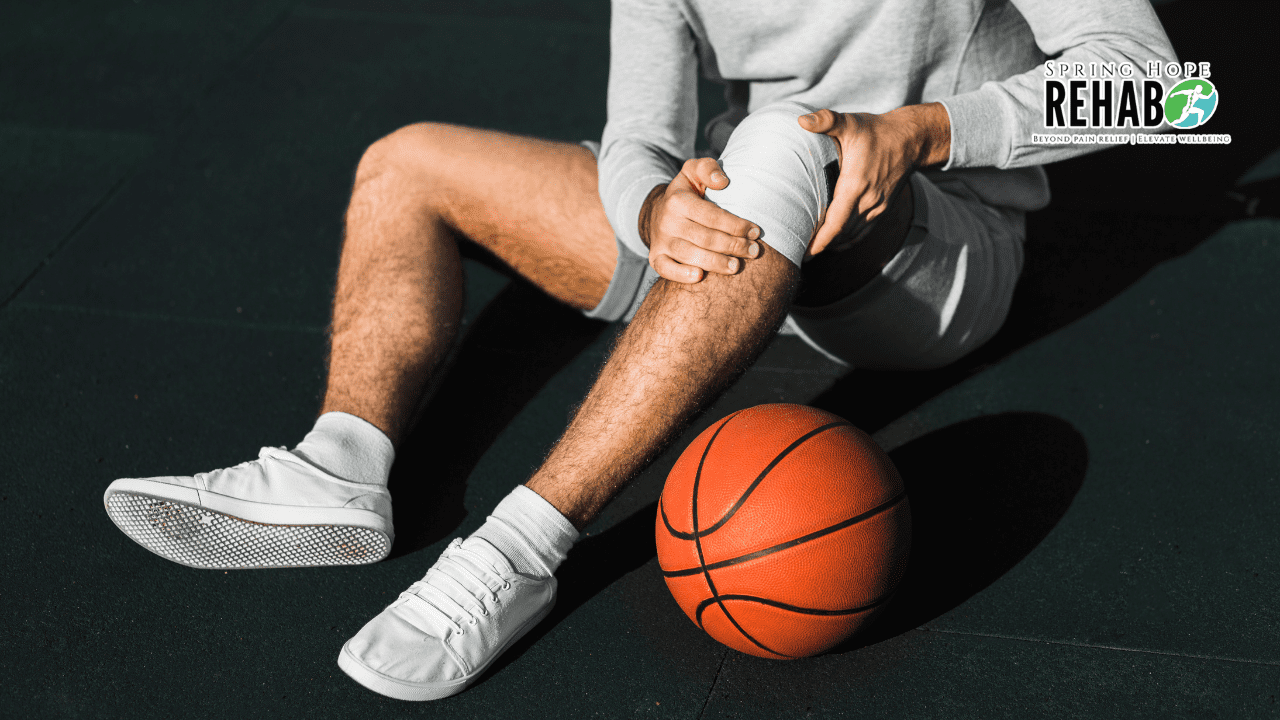
Whether you are a competitive athlete or a “weekend warrior,” a sudden sports injury can be a significant setback that impacts your physical and psychological well-being. The frustration of moving from peak performance to the sidelines is often accompanied by a rush to get back to action as quickly as possible. However, recovery is rarely a matter of simply waiting for pain to subside. It requires a structured, evidence-based approach to restore function, rebuild strength, and minimize the risk of a recurring injury.
Understanding the nature of these injuries and the specific stages of rehabilitation is essential for anyone looking to navigate the path from the treatment room back to the field.
Common Sport-Related Orthopaedic Injuries
Sports injuries are generally classified into two categories: acute traumatic events and overuse conditions. Research indicates that global clinic visits for these issues frequently involve the lower and upper limbs, with the knee, shoulder, and ankle being the most common sites of trauma.
Ligament Sprains and Tears
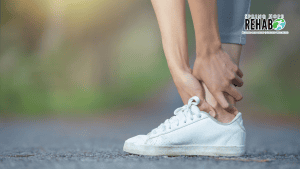
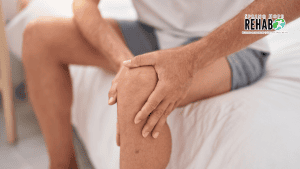
A sprain occurs when the tough, fibrous tissue connecting bones at a joint—the ligament—is stretched or torn. These injuries are common in high-contact sports and often affect the ankles, wrists, or knees. A significant example is the Anterior Cruciate Ligament (ACL) tear, often caused by sudden pivoting, direct trauma to the side of the knee, or landing awkwardly from a jump. Many patients report hearing a “pop” followed by immediate swelling and a feeling that the knee is “giving way”.
Muscle Strains
While sprains involve ligaments, a strain is an injury to a muscle or a tendon, typically resulting from overstretching or overcontraction. Common sites for these pulls include the hamstrings, back, and shoulders. Inadequate warm-ups or poor movement techniques are often the underlying causes.
Overuse Injuries and Tendinopathy
Overuse injuries do not happen in a single moment but develop through repetitive stress on bones or soft tissues over time. Tendinopathy is a frequent concern, often characterized by persistent pain and a failure of the tendon to repair itself correctly under excessive load. While older terminology often used “tendinitis” to imply inflammation, modern clinical understanding focuses on load management and graduated rehabilitation to restore the tendon’s structural integrity.
The Critical Role of Orthopaedic Physiotherapy
Evidence suggests that conventional treatments like pharmacological management or immobilization are often insufficient to restore the high-level musculoskeletal function required for sport. Physiotherapy serves as a bridge between the initial injury and a successful return to play by addressing biomechanical deficits and muscle imbalances.
Comprehensive Assessment
The first step in rehabilitation is a thorough evaluation of movement patterns. Often, the area that hurts (the “loud” area) is being stressed because another part of the body (the “quiet” area) isn’t functioning correctly. For instance, a stiff hip may force the knee to twist more than intended, leading to injury. Physiotherapists use objective tools like goniometers to measure range of motion and functional scales to track progress.
Multi-Modal Interventions
Effective rehabilitation typically involves a combination of techniques tailored to the individual’s injury:
- Therapeutic Exercise: Focused programs to restore strength, flexibility, and neuromuscular control.
- Manual Therapy: Hands-on joint and soft tissue mobilization to alleviate pain and improve circulation.
- Electrotherapy: Modalities like Transcutaneous Electrical Nerve Stimulation (TENS) may be utilized for pain relief and muscle activation during the early stages of recovery.
- Proprioceptive Training: Balance and stability exercises that are vital for preventing re-injury, particularly in the knee and ankle.
Managing Concussions and Brain Health
Not all sports injuries are visible. Concussions, or mild traumatic brain injuries (TBI), occur when a jolt or blow to the head causes a neurometabolic cascade in the brain. Symptoms can include headaches, balance problems, visual intolerance, and lethargy, and they may not appear for up to three weeks.
A dangerous complication known as “second impact syndrome” can occur if an athlete returns to sport before a previous concussion has fully resolved. Physiotherapy plays a leading role in concussion management through graded return-to-activity protocols, ensuring that both the physical and cognitive systems have recovered before high-intensity sport is resumed.
Milestones for a Safe Return to Play
Returning to sport is a phased process that requires patience. Using “pain-free” status as the only guide is often misleading, as tissues may still be too weak to handle the demands of a match or heavy lifting.
For a major injury like an ACL tear, milestones are generally charted over several months:
- 3 Months: Commencing jogging, provided strength and stability have been restored.
- 6 Months: Commencing light, sport-specific training.
- 9 Months: Returning to competitive sports.
Progress is measured through strength testing, graft integrity checks, and functional questionnaires. It is also vital to manage scar tissue, which is tougher and less flexible than original muscle; specific loading exercises help ensure this tissue is strong enough for sprinting and pivoting.
The Psychological Component of Recovery
The hardest part of returning from a major injury is often mental—rebuilding trust in one’s own body. Athletes frequently experience a split second of hesitation before a jump or pivot, fearing re-injury. This hesitation can actually increase the risk of a new injury. Physiotherapy addresses this by putting the body through its paces in a controlled environment, proving to the brain that the musculoskeletal system is robust enough to handle high-intensity pressure.
Essential Strategies for Injury Prevention
While not all injuries can be prevented, certain proactive habits significantly lower the risks.
- Dynamic Warm-ups: Using leg swings or torso twists increases blood flow and muscle elasticity before activity.
- Strength and Conditioning: Building core and stabilizing muscles provides better joint support and improved biomechanics.
- Technique and Coaching: Learning correct landing and tackling methods under professional guidance reduces unnecessary stress on joints.
- Gradual Loading: Avoiding sudden spikes in the duration or intensity of training is key to preventing overuse conditions.
Key Takeaways
- Move Beyond Rest: Total rest is rarely the best solution; rehabilitation focuses on keeping you active in safe ways while the injured tissue heals.
- Address the Root Cause: Physiotherapy identifies biomechanical “weak links” that contributed to the injury in the first place.
- Follow the Timeline: Major ligament and tendon recoveries follow biological healing timelines that cannot be rushed without increasing re-injury risk.
- Prioritize Brain Health: Head injuries require a specialized, graded return-to-play protocol to avoid serious long-term complications.
- Listen to Your Body: Effective communication with health professionals about pain or discomfort ensures the rehabilitation program remains safe.
Conclusion
The path from injury to performance is a multi-faceted journey that involves rebuilding physical strength, mobility, and mental confidence. By following a structured, professional rehabilitation plan, you can turn a forced break into an opportunity to address technical flaws and return to your sport feeling more robust than before.
If you have sustained an injury or are experiencing persistent “niggles” that affect your play, it is essential to seek guidance from a qualified, registered physiotherapist or doctor to develop a management plan tailored to your specific needs.
——————————————————————————–
Disclaimer: This article is provided for general educational purposes only and does not constitute medical advice. Please consult a registered healthcare professional regarding any specific injury or health condition.