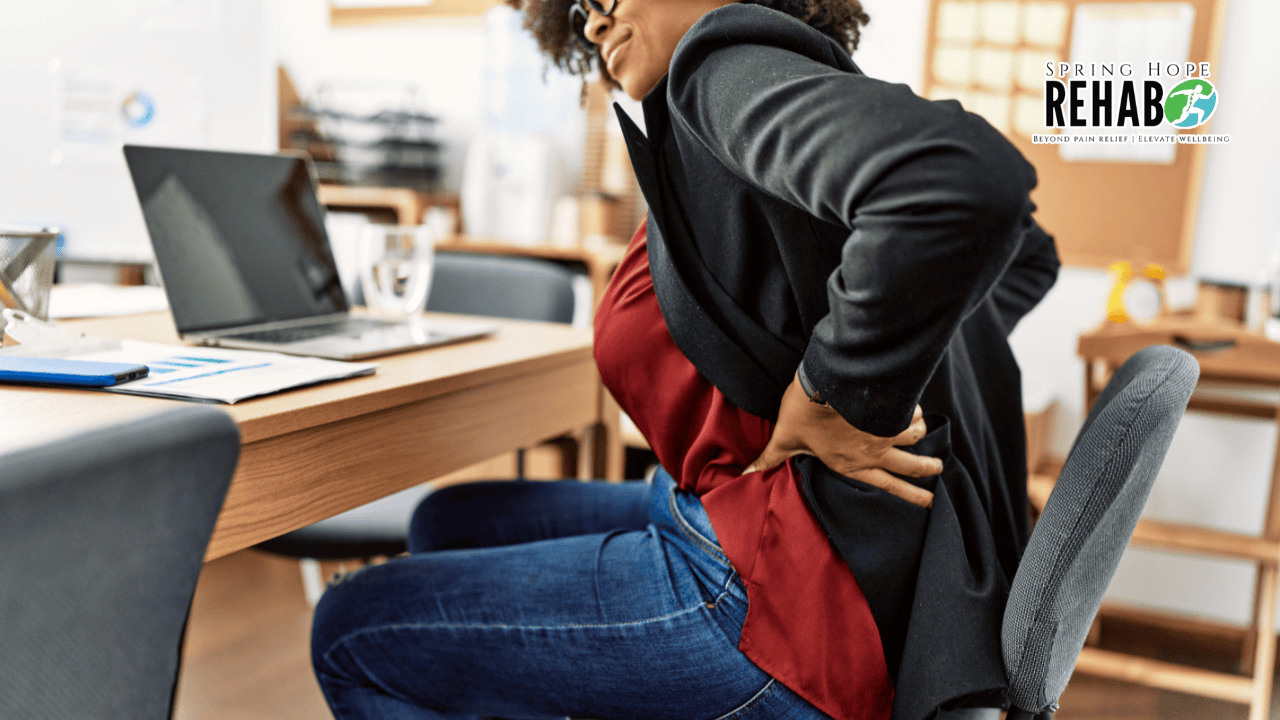
Low back pain is an experience that most people will encounter at least once in their lives. In Singapore, statistics show that up to 80% of the population will deal with lower back discomfort at some point. It is currently the leading cause of disability globally, yet despite how common it is, there is often a great deal of misunderstanding regarding how to treat it effectively.
For many, the first instinct when back pain strikes is to seek a scan or retreat to bed. However, modern clinical research suggests that the most effective path to recovery is built on movement, education, and a holistic approach to health. This guide explores the professional physiotherapy frameworks used to manage low back pain and reclaim a lifestyle free from discomfort.
Understanding Your Back: Strength and Resilience
One of the most important steps in recovery is changing how we think about the spine. The human back is a remarkably strong and stable structure. It is composed of an interacting network of vertebrae, shock-absorbing discs, nerves, and powerful stabilizing muscles.
Research indicates that 90% of low back pain is “non-specific,” meaning it is not caused by a serious underlying disease or a single broken structure like a joint or ligament. In fact, approximately 98% of cases are simple strains or sprains that recover reasonably quickly.
It is also a common myth that the back can easily go “out of place” or that a disc can “slip.” In reality, the spine is too robust for such shifts; discs are firmly attached to the vertebrae and cannot simply slide out. Understanding that your back is resilient, rather than fragile, is a fundamental pillar of modern Physiotherapy Clinic interventions.
Debunking Common Myths About Back Pain
Navigating recovery often requires unlearning outdated advice that may actually hinder progress.
The Scan Myth
Many people believe an MRI or X-ray is necessary to “see” what is wrong. However, professional guidelines from the National Institute for Health and Care Excellence (NICE) and other global bodies generally recommend against routine imaging for non-specific back pain.
Scans often reveal “abnormal findings”—such as disc bulges, degeneration, or arthritis—that are actually normal age-related changes found in most people who have no pain at all. Seeing these results on paper can sometimes cause unnecessary fear, leading people to avoid the very activities they need to get better.
The Bed Rest Myth
While it might feel natural to stay in bed when in pain, science shows that prolonged rest is counterproductive. Staying in bed can lead to higher levels of pain, greater disability, and a longer absence from work. In the first few days of an acute episode, avoiding heavy activity may help, but you should aim to return to normal movement as soon as possible.
The Core of Recovery: Exercise and Activity
Exercise is widely recognised as the most effective strategy for both treating and preventing future episodes of back pain. There is no single “best” type of exercise; instead, the most important factor is consistency and choosing an activity you enjoy.
A physiotherapist-supervised programme may include:
- Aerobic Exercise: Activities like walking or aqua aerobics to improve overall function.
- Strength and Mobility: Tailored home programmes designed to improve the resilience of the spinal muscles.
- Graded Activity: Gradually increasing the intensity of movement to build confidence and reduce fear.
Movement helps the intervertebral discs through a process called “imbibition,” where regular activity pumps fresh fluid and nutrients into the disc while flushing out waste. Exercise does not damage the back; rather, it makes it healthier.
The Role of Professional Physiotherapy
When you consult a registered physiotherapist, they perform a thorough assessment, including a detailed history and a physical examination of how you move.
Manual Therapy and Support
While exercise is the foundation of treatment, manual (hands-on) therapy can be used as an adjunct to help settle symptoms in the short term. This might include soft tissue or joint mobilisation. However, professional standards emphasise that manual therapy should not be a stand-alone treatment but part of a package that includes exercise and education.
Pain Management
Pharmacological options, such as oral non-steroidal anti-inflammatory drugs (NSAIDs), may be used at the lowest effective dose for a short period to manage flares. However, painkillers do not speed up recovery and should only be used alongside active strategies like exercise.
Strategies for Daily Life
Adopting healthy habits can significantly reduce the risk of recurrence:
- Sleep: Aim for 7.5 to 8 hours of quality sleep. There is no “best” mattress or position; whatever is comfortable for you is best.
- Lifting: You do not need to fear bending or lifting. The key is to gradually get your body used to carrying different loads in a way that feels efficient for you.
- Workplace Habits: There is no single “perfect” posture. The best strategy is to avoid staying in one position for too long and to modify your environment if it causes consistent soreness.
When to Seek Urgent Medical Advice
While most back pain is not serious, there are rare instances where it may indicate a medical emergency. You should consult a doctor or attend an emergency department immediately if you experience:
- Sudden loss of bladder or bowel control.
- Numbness or tingling in the genitals or buttocks area (saddle anaesthesia).
- Significant weakness in the legs, such as “foot drop”.
- Feeling generally unwell with a fever or night sweats alongside your back pain.
If your pain does not begin to improve within 6 to 8 weeks of self-management, it is advisable to seek a consultation with a GP or physiotherapist for a formal review.
Key Takeaways
- Your back is strong: The spine is a stable structure designed for movement and loading.
- Movement is medicine: Exercise is the most effective treatment for both current pain and future prevention.
- Scans are rarely needed: Most imaging shows normal age-related changes that do not explain the pain.
- Avoid total rest: Prolonged bed rest slows recovery; stay active and return to work as soon as possible.
- Address the whole person: Sleep, stress, and lifestyle factors all influence how we experience pain.
Conclusion
Managing low back pain is about more than just finding a temporary fix; it is about building a resilient body and a positive mindset toward movement. By following evidence-based strategies—prioritising activity, debunking myths, and seeking professional guidance when needed—most people can make a full recovery and return to the activities they enjoy. Always consult with a qualified health professional to develop a plan tailored to your specific needs.
Disclaimer: The information provided in this article is for educational purposes only and does not constitute medical advice. Please consult a registered physiotherapist or medical professional for a diagnosis and treatment plan suitable for your individual situation.