As people age, maintaining independence and quality of life becomes a top priority. However, the global reality is that falls have become the second leading cause of unintentional injury-related deaths worldwide. In Singapore, the statistics are equally poignant: approximately one-third of individuals aged 60 and above have experienced more than one fall.
While it is a common misconception that falling is an unavoidable part of getting older, international health bodies and physiotherapy associations emphasise that the vast majority of falls are preventable through modest lifestyle changes and targeted interventions. This guide explores the evidence-based strategies physiotherapists use to help seniors stay steady and active.
Understanding why fall risk increases with age
A fall is rarely the result of a single factor; rather, it is usually a complex interaction between a person’s physical state, their behaviour, and their environment. Global guidelines identify two main categories of risk: personal and environmental.
Personal risk factors
As the body ages, several physiological changes can impact stability. From the age of 50 to 70, individuals can lose about 30% of their muscle strength, which reduces the ability to recover balance after a trip. Other personal factors include:
- Declining physiological functions: Reductions in balance, gait speed, and reaction time often begin as early as age 40 to 45.
- Medical conditions: Health issues such as Parkinson’s disease, cataracts, stroke, and incontinence can significantly increase vulnerability.
- Medication side effects: Certain prescriptions, particularly sedatives or blood pressure medications, may cause dizziness, drowsiness, or unsteadiness.
- Fear of falling: Paradoxically, a high level of concern about falling can lead people to restrict their activity. This physical decline actually increases the risk of future falls.
Environmental triggers
Six out of ten falls occur within the home or garden. Common hazards include uneven or slippery floor surfaces, loose rugs, inadequate lighting, and cluttered walkways. Identifying these triggers is a crucial first step in any prevention plan.
The expert role of the physiotherapist
Physiotherapists are uniquely positioned to address fall prevention through their deep understanding of gait, balance, and musculoskeletal health. Research indicates that when fall prevention programmes are delivered by a health professional—most often a physiotherapist—the results show larger improvements in safety and efficacy.
Evidence-based physiotherapy interventions can reduce the rate of falls by as much as 23% to 42% in community-dwelling older adults. For those in residential aged care, specialised programmes like the Sunbeam Program have demonstrated a 55% reduction in fall-related injuries.
Risk stratification and screening
A professional assessment usually begins with a screening to categorise individuals into low, intermediate, or high-risk groups. Physiotherapists often use three simple questions as a starting point:
- Have you fallen in the past year?
- Do you feel unsteady when standing or walking?
- Do you have worries about falling?
By identifying these risks early, physiotherapists can build “physiological reserve” essentially strengthening the body so that a senior is less likely to move into a higher-risk category.
Evidence-based exercise strategies
The core of fall prevention is “multi-component” exercise, which is specifically designed to improve balance, aerobic capacity, and coordination.
Quality markers for effective programmes
To be truly effective, strength and balance programmes should meet specific evidence-based criteria:
- Duration: Programmes should ideally run for a minimum of 50 hours.
- Frequency: Weekly sessions should total at least two to three hours.
- Intensity: Exercises must be progressive, meaning they become more challenging as the individual improves.
Recommended exercises for stability
Clinical guidance from established physiotherapy associations highlights several straightforward movements that can be woven into a daily routine to help improve coordination:
- Heel Raises: Standing tall while holding a sturdy chair or sink, lift the heels to take weight onto the big toes, hold for three seconds, and lower slowly.
- Toe Raises: Raise the toes while keeping the weight on the heels, ensuring the posture remains upright.
- Sit-to-Stand: Sitting near the front of a chair, lean forward and stand up, then slowly lower back down.
- Heel-to-Toe Walking: Walk in a straight line, placing one foot directly in front of the other (like a tightrope walker), while staying near a support like a kitchen cabinet for safety.
- One-Leg Stand: Balance on one leg for 10 seconds while keeping the supporting knee slightly soft.
Creating a safer living environment
Optimising the home environment is just as vital as physical training. The Ministry of Health in Singapore suggests a “1-2-3” approach to home safety:
- Regular Reviews: Schedule annual vision checks and medication reviews with a doctor to ensure side effects aren’t impacting balance.
- Physical Activity: Aim for a mix of strength and balance exercises at least three days a week.
- Home Modifications:
- Remove floor rugs or use non-slip backings.
- Install grab bars and non-skid tape in bathrooms.
- Ensure all rooms and stairways are well-lit; 60-year-old eyes often need three times more light than 20-year-old eyes.
- Clear clutter from hallways and doorways to ensure a clear path.
What to do if a fall occurs
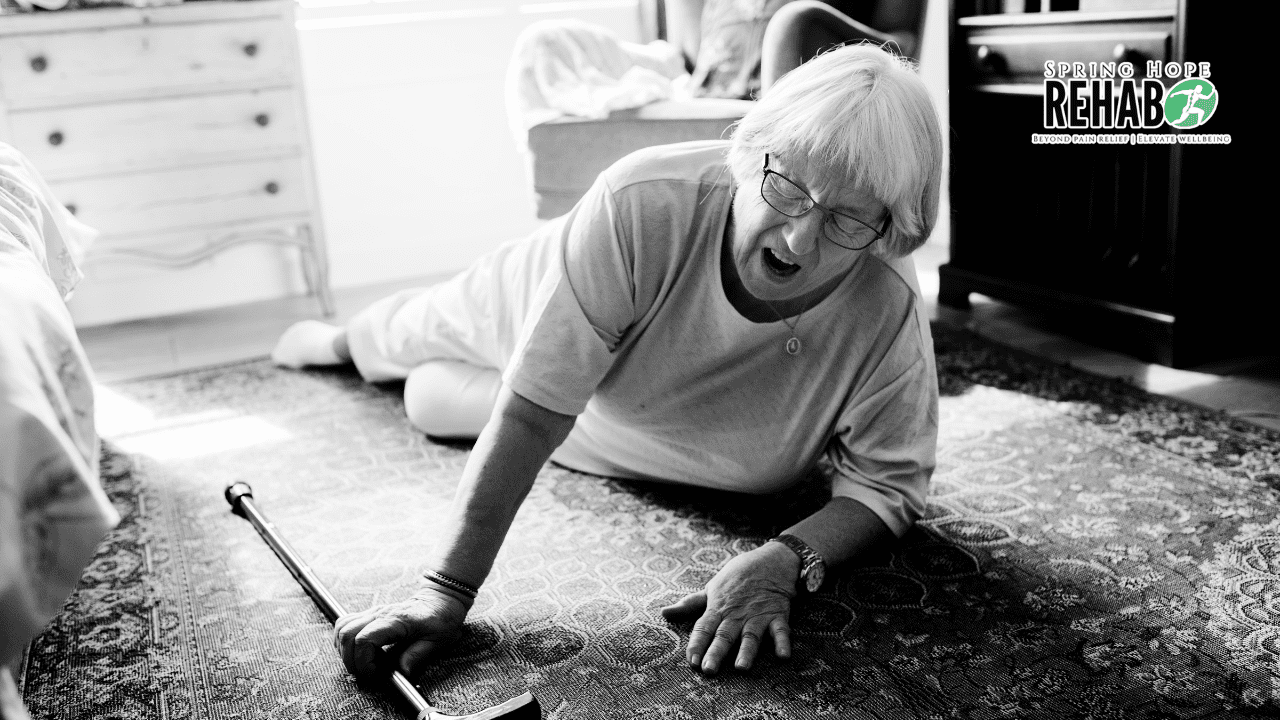
Knowing how to respond to a fall can prevent further injury and reduce the time spent on the floor, which can lead to complications. Professional guidance suggests lying still for a minute to stay calm and check for injuries before attempting to move.
If unhurt, the “crawling” technique is recommended:
- Roll onto your side and push up onto your hands and knees.
- Crawl to a piece of sturdy furniture, such as a bed or heavy chair.
- Put your hands on the furniture and slide your stronger leg forward so the foot is flat on the floor.
- Push up to a standing position, then turn around and sit to rest.
If you cannot get up, it is vital to have a plan to summon help, such as carrying a mobile phone, using a personal alarm, or keeping blankets and water at floor level in key rooms.
Key Takeaways
- Falls are not inevitable: Most falls can be prevented through targeted physical activity and environment-focused changes.
- Physiotherapy is essential: Registered physiotherapists are experts in prescribing the individualised, progressive balance and strength training needed to reduce fall risk.
- Consistent exercise is key: Effectiveness is highest when seniors engage in balance and strength training for at least three hours per week.
- Safety starts at home: Simple fixes like better lighting, non-slip mats, and removing clutter can significantly lower the risk of accidents.
- Consult the professionals: It is important to discuss any falls or feelings of unsteadiness with a GP or physiotherapist immediately.
Conclusion
Fall prevention is a proactive journey that involves more than just “being careful.” By combining professional physiotherapy guidance with consistent exercise and a safe home environment, older adults can maintain their mobility and continue to live independently for much longer.
If you or a loved one are concerned about balance, the most effective step is to seek a professional assessment. A registered physiotherapist can create a tailored plan that meets your specific needs, helping you to age well and stay steady on your feet.
Disclaimer: This information is for general educational purposes only. If you have concerns about your balance or risk of falling, please consult a qualified, registered physiotherapist or a medical doctor for a personalised assessment and advice.